Wardown Park removals insider tips for heritage homes Luton
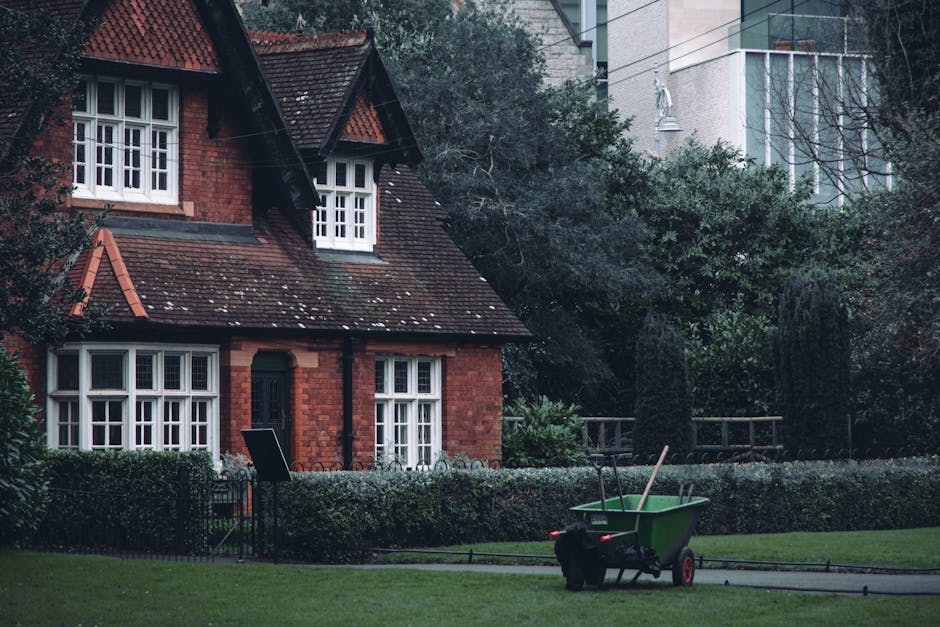
Moving from a heritage property near Wardown Park is not quite the same as moving from a modern flat with wide lifts and easy parking. The floors creak, the stairs turn sharply, the door frames can be unforgiving, and one wrong turn with a sofa can leave a mark you will notice for years. If you are looking for Wardown Park removals insider tips for heritage homes Luton, this guide is built to help you plan the move properly, protect original features, and keep the day calm enough to feel manageable. Truth be told, that is half the battle.
Whether you are dealing with period plaster, narrow access, original woodwork, or just the general unpredictability that comes with older homes, the right approach makes a huge difference. Below you will find practical advice on preparing, packing, protecting fragile features, choosing the right removal method, and avoiding the little mistakes that cause the biggest headaches.
Expert summary: The best heritage-home move is not the fastest one. It is the one that respects the building, plans around access issues, and uses the right level of manpower and equipment for each item. A thoughtful plan saves time, stress, and sometimes a repair bill as well.
Why Wardown Park removals insider tips for heritage homes Luton Matters
Heritage homes around Wardown Park tend to share a few familiar traits: character, charm, and awkward logistics. That is the polite version. In practical terms, these homes often have tighter staircases, older joinery, uneven floors, decorative fittings, and access that was never designed around today's wardrobes, mattresses, and white goods. So the move needs to be planned around the house, not just the van.
This matters because the risks are different from a standard domestic move. A modern property might mainly need speed and good packing. A heritage property also needs judgement. Can the dining table be turned on the landing? Will the banister take a knock if a mattress is carried upstairs? Is the front path wide enough for a removal van, or will the team need a shuttle approach with a smaller vehicle? Those are the questions that protect the property and your sanity.
There is also the emotional side. People moving from older homes often care deeply about the details: a stained-glass panel, a polished sill, a hallway niche, a bit of original wood floor that has seen decades of family life. You do not want the move day to become the moment something gets scratched because someone was rushing. A careful move respects the building and the memories in it.
If you are comparing ways to move, it can help to look at broader service options too. A planned domestic move through home moves or a more flexible setup such as man and van may suit different heritage-home layouts, depending on access, item volume, and how much help you want on the day.
How Wardown Park removals insider tips for heritage homes Luton Works
The process usually works best in three stages: assess the property, protect the fragile points, and choose the movement method for each item. That sounds simple. In reality, the win comes from the details.
Start with a proper access check. Walk the route from the rooms to the front door and then from the door to the vehicle. Look for low ceilings, tight corners, step changes, door furniture, light fittings, and awkward thresholds. Older homes often have one or two small pinch points where a sofa that looked fine in the lounge suddenly becomes a puzzle on the landing. You can almost hear the sighs before they happen.
Next comes protection. Heritage homes are especially sensitive around paintwork, plaster edges, stair spindles, wood surrounds, and original flooring. Good protection means more than a few blankets over the top. It means wrapping vulnerable corners, covering the floor where traffic will be heavy, and making sure heavy items are carried in a way that avoids sudden swings or drops.
Then there is item handling. Not everything needs the same method. A stack of books, a side table, a framed mirror, and a grand piano would all be treated very differently, obviously. But even normal household pieces may need bespoke handling in a period property. One room may allow a trolley. Another may require two-person carrying and staged rest points. The best removal teams adapt as they go.
If you want a more hands-on moving setup, it can also be useful to understand vehicle choices. A removal van or removals van can be a better fit for certain streets and access conditions than a larger truck, especially where parking or turning space is limited.
Key Benefits and Practical Advantages
A well-planned heritage-home move delivers more than just fewer scratches. It changes the whole day.
- Less risk to original features such as bannisters, architraves, plaster corners, and timber floors.
- Faster handling of difficult items because the route and method are already thought through.
- Lower chance of last-minute stress when the team knows which rooms and items need extra care.
- Better use of space and labour through the right mix of vehicle size, carrying team, and packing order.
- Cleaner unpacking later because fragile items were packed by room and by priority, not tossed together in a rush.
There is also a subtle but real benefit: the move feels more respectful. Some homes carry a sense of history, and people feel that. The room with the old fireplace and the creaky hallway is not just a container. It is part of the story. A careful move honours that story instead of bulldozing through it.
And let's face it, fewer surprises usually means fewer sighs on moving day. That alone is worth planning for.
Who This Is For and When It Makes Sense
This guide is for anyone moving into or out of a heritage property near Wardown Park, especially if the home has period features, narrow circulation space, or delicate finishes. It is also useful if you are helping a parent, landlord, or buyer with a property that needs more care than a typical house move.
It makes sense if:
- the property has original woodwork, fireplaces, sash windows, or decorative plaster;
- the staircase is tight or has a turn that complicates carrying large items;
- parking outside is restricted or awkward;
- you own heavy furniture that may need dismantling;
- you want to reduce the risk of touching up paintwork after the move;
- you are moving expensive, sentimental, or fragile belongings and want a calmer process.
It also makes sense if you are weighing up a full-service move against a smaller setup. For example, a person with a modest number of items might prefer a flexible man with van arrangement, while a larger household may need the broader capacity of house removals with a bigger crew and more structured planning.
Step-by-Step Guidance
Here is the practical version. No fluff, just the sequence that tends to work best.
1. Survey the property properly
Measure the main furniture pieces, but do not stop there. Measure stair widths, landing turns, hallway pinch points, and door frames. If you can, photograph the tricky areas. It is much easier to solve an issue before moving day than while a wardrobe is wedged halfway down a staircase. Been there? Hopefully not.
2. Decide what needs dismantling
Large bed frames, dining tables, wardrobes, and shelving units are often easier to move if partially dismantled. In a heritage property, dismantling can also reduce the chance of scraping walls or handrails. Keep fixings in labelled bags and tape them to the relevant item or pack them in a clearly marked hardware box.
3. Pack by fragility and by room
Use strong boxes, but do not overfill them. Heavy books in small boxes. Soft items around delicate items where appropriate. Mirrors, framed art, and glass should be wrapped individually and labelled clearly. If there is original flooring, treat all packed boxes as if they could slip on a turn-because sometimes they do.
4. Protect the building before the first lift
Lay floor protection where the traffic will be most intense, especially along the route from the entrance to the main rooms. Cover bannisters and vulnerable corners. Open doors fully and secure them so they do not swing shut at the worst moment. That one is annoyingly easy to forget.
5. Load in the right order
Load heavier, sturdier items first and fragile items in a way that prevents crush damage. Keep essentials accessible. In a heritage home, the move can take longer than expected if access is tight, so do not bury your kettle, charger, or medication in the back of the vehicle. You will thank yourself later.
6. Check rooms before you leave
Do a slow final walk-through. Check cupboards, loft spaces, under beds, window ledges, and behind doors. Older houses have a habit of hiding things in odd places. A friend of mine once left a whole file box in the airing cupboard and only realised after the van had gone. Not ideal. A little embarrassing, yes, but very human.
Expert Tips for Better Results
These are the details that often separate a smooth move from a stressful one.
Book around access, not just around the date. If the street is busy, if parking is limited, or if a larger vehicle would struggle, plan the move around the easiest access window you can get. Early starts are often kinder in residential streets. The quiet of the morning helps too; less noise, fewer cars, fewer interruptions.
Use smaller loads for awkward properties. There is no prize for making one heroic trip with a giant sofa. Sometimes two well-planned journeys are safer than one overambitious attempt. A smaller vehicle or split load can be the smarter option in a period property.
Label fragile items in plain English. "Top load only" is useful. "This side up" is useful. "Contains mixed kitchen items" is not. Be specific. Movers are good, but they cannot read the emotional backstory of your box.
Protect what cannot be replaced. If a piece is sentimental, original, or expensive to restore, give it extra wrapping and its own handling instructions. The same goes for family heirlooms, artwork, and anything with historical or personal significance.
Keep a small repair kit nearby. Tape, scissors, cloths, a screwdriver, felt pads, and spare bags. Nothing dramatic. Just enough to solve small issues without a mad dash across town.
Ask about insurance and safety before the day. A professional mover should be able to explain how items and property are handled, what is covered, and where responsibilities sit. That conversation is boring in the best possible way.
If you want help with packing, it can be worth looking at packing and unpacking services, especially when you need a careful, room-by-room approach that keeps fragile belongings organised and easier to find afterwards.
Common Mistakes to Avoid
Some mistakes are tiny on paper and costly in real life. Heritage properties seem to expose them quickly.
- Underestimating stairs and corners. A sofa that fits in the room may still fail at the landing turn.
- Skipping measurements. Guessing is tempting. It is also how people end up angling wardrobes like gymnasts.
- Leaving floor protection to the last minute. By then the pressure is on and small things get missed.
- Using oversized boxes for heavy items. They become unmanageable, and the risk to floors and hands goes up.
- Not warning the mover about delicate finishes. If the team knows there is a fragile plaster arch or original flooring, they can plan accordingly.
- Putting all essentials in one "somewhere safe" box. That box is rarely as safe as everyone thinks.
The biggest one? Trying to rush. A heritage move rewards patience. You do not need to crawl, but you do need to avoid the whole "we'll just wing it" approach. That is not a strategy; it is a dare.
Tools, Resources and Recommendations
You do not need specialist kit for every move, but the right basics help a lot.
- Furniture blankets for wood, painted surfaces, and awkward corners.
- Mattress covers to keep fabric clean and make handling simpler.
- Bubble wrap or paper wrap for framed items, lamps, glass, and ceramics.
- Strong tape and marker pens for labelling and securing boxes.
- Floor runners or temporary floor protection for the main traffic route.
- Furniture sliders and lifting straps where appropriate and used carefully.
- Tool kit for dismantling beds, tables, and shelving.
On the service side, you may want to compare broader moving options depending on volume and access. For a straightforward house move, house movers may be the closest fit. If your move is smaller, more flexible, or split over multiple trips, removal services and movers can help you match the support level to the actual job rather than overbuying or underbuying the service.
It is also sensible to review the practical pages covering insurance and safety, health and safety, and recycling and sustainability if you are planning to dispose of packaging, declutter responsibly, or simply want to understand how the move is handled.
Law, Compliance, Standards, or Best Practice
For heritage-home removals, the main practical point is to work in line with ordinary UK expectations around safe lifting, careful handling, and responsible property protection. That means using sensible manual handling methods, not overloading boxes, and making sure access routes are reasonably safe and clear. If a move involves large, awkward, or heavy items, the plan should reflect that rather than pretending everything is a quick lift and shift.
There may also be local considerations depending on where the property sits and how access works on the street. Parking, loading, or temporary vehicle placement should be thought through in advance. In older properties, especially where finishes are fragile, best practice is to treat the building itself as something to protect, not merely a backdrop to the move.
Professional removal firms should also be clear about terms, payment, and responsibilities. That is where documents such as terms and conditions and payment and security matter in practice. If something is not clear, ask. A decent company would rather explain it upfront than fix a misunderstanding later.
And one more quiet but important point: if you are using a mover, make sure you understand how complaints are handled and what to expect if something goes wrong. Not because you expect trouble, but because good paperwork is part of good service.
Options, Methods, or Comparison Table
Different heritage-home moves call for different approaches. Here is a simple comparison to help you think it through.
| Method | Best for | Strengths | Watch-outs |
|---|---|---|---|
| Full house removals | Larger homes, more furniture, full packing days | Structured, efficient, more hands available | May be more than you need for a small move |
| Man and van | Smaller homes, lighter loads, flexible access | Flexible, often good for awkward streets | Less capacity for large volumes or heavy furniture |
| Removal van with tailored load plan | Mixed-size moves, repeated trips, tight access | Good balance of space and manoeuvrability | Requires better planning to avoid multiple round trips |
| Packing and unpacking support | Fragile items, busy households, time-sensitive moves | Improves organisation, reduces breakage risk | Needs clear labelling and priorities from the start |
In a heritage setting, the best option is rarely the biggest one. It is the one that fits the property's access, the amount of furniture, and the level of care needed. Simple, really. Not always easy, but simple.
Case Study or Real-World Example
Imagine a family moving out of a period house near Wardown Park with a curved staircase, a low hallway light, and original wood floors in the entrance. The sofa is deep, the wardrobe is tall, and the sideboard is heavier than it looks because, of course, furniture has a wicked sense of humour.
Rather than trying to force everything through in one sweep, the move is broken into clear stages. The movers measure the awkward turn on the landing, remove one wardrobe door, wrap the banister corners, and protect the hallway floor before the main load starts. The mirror from the bedroom is packed separately and loaded flat. The kitchen items are boxed by cabinet, not by random grab.
What changes most is not just the outcome, but the mood. There is less shouting. Fewer pauses. Less of that panicky "wait, does this fit?" moment. The family still gets tired, because moving is moving, but the day stays controlled. And the property comes through it without scuffs on the skirting or pressure marks on the floorboards. That is the goal.
You see this a lot with older homes: a little extra planning saves a lot of physical wrestling. There is no glamour in it. It just works.
Practical Checklist
Use this checklist in the days leading up to the move.
- Measure large furniture and the main access points.
- Identify stair turns, low ceilings, and narrow doorways.
- Book the right size vehicle and crew for the property.
- Decide which items need dismantling.
- Pack fragile items separately and label them clearly.
- Protect floors, corners, bannisters, and door frames.
- Keep essentials easy to reach.
- Set aside keys, documents, chargers, and medication.
- Confirm parking and loading arrangements.
- Walk through every room before the vehicle leaves.
Quick takeaway: If you remember only one thing, make it this: in a heritage home, access planning is just as important as packing. Sometimes more so.
For extra reassurance on the service side, it may help to review the company's about us page and the wider removal company information so you know how the operation is organised and what level of support you can expect.
Conclusion
Wardown Park removals insider tips for heritage homes Luton come down to one simple idea: treat the property with care and plan the move around its quirks, not against them. Heritage homes ask for more attention, but they reward it. A thoughtful move protects original features, keeps the day calmer, and gives you a better start in the next place.
If the move feels like a lot, that is normal. Older homes make even simple tasks feel a bit more involved. The good news is that with the right approach, the whole thing becomes far more manageable than it first appears. One careful step at a time.
Get a free quote today and see how much you can save.
And if you are still in the planning phase, that is fine too. A quiet bit of preparation now can save you a surprisingly noisy problem later.
Frequently Asked Questions
What makes a heritage-home move different from a normal house move?
Heritage homes often have tighter access, fragile finishes, older timber, original floors, and more awkward room layouts. That means the move needs more planning and more protection than a standard property.
Should I measure everything before moving day?
Yes, especially large furniture and the main access points. Measuring door frames, stair turns, and hallway widths can prevent a lot of last-minute trouble.
Is a man and van service enough for a Wardown Park heritage property?
Sometimes, yes. If the load is modest and the access is manageable, a man and van setup can work well. For larger or more complex homes, a fuller removal team may be better.
How do I protect original floors during a move?
Use floor protection along the main traffic route, avoid dragging items, and keep wet or dirty footwear off the flooring where possible. Protection should be in place before the heavy lifting starts.
Do I need to dismantle furniture in a period home?
Not always, but large beds, wardrobes, and tables are often easier and safer to move if partially dismantled. It reduces the chance of damage at tight corners and narrow landings.
What is the best way to pack fragile items?
Wrap them individually, use sturdy boxes, avoid overfilling, and mark the boxes clearly. Keep glass, mirrors, and sentimental items separate from heavier household goods.
Can I use a larger vehicle for a heritage-home move?
Possibly, but it depends on access, parking, and road width. In some cases, a smaller moving van is easier to manage and may actually save time.
What should I ask a removal company before booking?
Ask about access planning, handling of fragile features, insurance, packing support, and how the move is priced. Clear answers are a good sign that the company understands tricky properties.
How far in advance should I plan the move?
As early as you can, especially if the property has difficult access or a lot of fragile contents. Even a short planning window can make a big difference if it is used well.
Are packing services worth it for heritage homes?
Often, yes. If you have valuable or fragile belongings, or you simply want the move to feel more organised, packing and unpacking services can reduce stress and improve protection.
What if parking outside the property is limited?
That should be factored into the plan early. The team may need to use a smaller vehicle, adjust timings, or stage the load more carefully so the move stays efficient.
Where can I learn more about the company and its policies?
You can review the company's insurance and safety, health and safety policy, and pricing and quotes pages to get a better feel for how the service is run and what to expect.